The Problem With Jio’s Spam Alert That Nobody Is Talking About
Key Takeaways
- Jio’s Spam alert often flags genuine calls from delivery agents or banks as spam, causing users to miss important communications.
- The feature is still in testing, leading to inconsistent results where some spam slips through while real calls get blocked.
- False positives erode trust in the system and can impact businesses and personal life in spam-heavy India.
- Users can use apps like True caller as a workaround, but Jio needs better transparency and user feedback options.
- With India facing 17 spam calls per user monthly, better spam detection is crucial, but Jio’s version needs fixes to work well.
Introduction
Imagine this: You're waiting for an important call from a job recruiter. Your phone rings, but instead of showing the caller's name or number clearly, it flashes a big red "Spam Alert" warning. You hesitate – is this really spam, or could it be the call you've been hoping for? In that split second, you decide to ignore it, only to find out later it was legitimate. Now, multiply this by millions of users across India, where spam calls are a daily nightmare. This is the quiet storm brewing around Jio’s Spam alert feature, and it's a problem nobody seems to be talking about loudly enough.
Jio, India's biggest telecom company with over 400 million users, rolled out this spam alert to fight the growing menace of unwanted calls. It's meant to be a hero – using smart tech to spot fraud before it hits your phone. But like many new features, it's not perfect. In fact, it's causing more headaches than it's solving for some people. Let's dive into why this matters.
First, let's understand the bigger picture. Spam calls in India aren't just annoying; they're a massive issue. According to reports from True caller, Indians get an average of 17 spam calls every month. That's more than many other countries. These calls push fake loans, pretend to be from banks, or even scam people out of money. The government, through the Telecom Regulatory Authority of India (TRAI), has pushed companies like Jio to step up. TRAI mandates that telecoms must implement spam detection to protect users. Jio's response? An AI-powered tool that flags suspicious calls in real time.
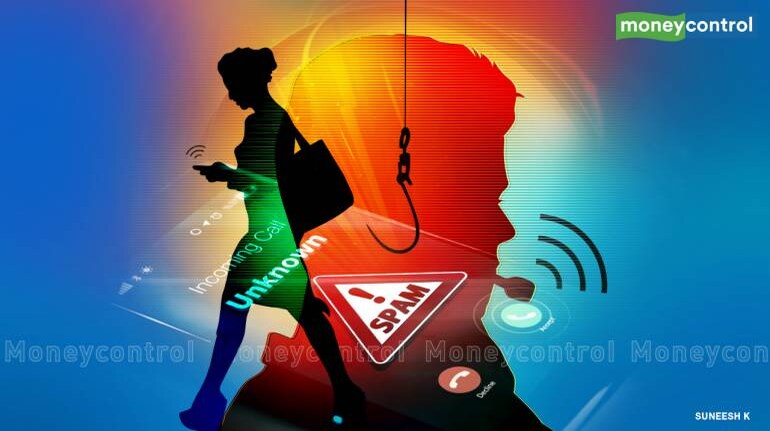
An illustration showing the menace of spam calls in India, highlighting how they hook unsuspecting users.
Yet, within weeks, complaints started pouring in on social media and forums. People said the alert was too aggressive, marking everyday calls as spam. For example, a delivery from Swingy or a ride from Rapido might show up as "Spam Alert," making you think twice about answering. One user on X shared a screenshot where Jio flagged a Swingy order call as spam, but True caller correctly identified it. Another complained that their own number was showing as spam when calling others, hurting their work.
Why is this happening? Jio’s system relies on AI to learn from calling patterns. If a number calls many people quickly, it might look like spam. But delivery agents or bank reps do that too – it's their job! This leads to "false positives," where good calls get wrongly tagged. In a country where phone calls are key for everything from ordering food to job interviews, this can cause real problems. Think about the stats: Over 100 million spam calls are blocked daily in India. But 60% of users get at least three spam calls a day, and 90% get spam texts. Jio blocks billions, but if their alert misses the mark, it adds to the frustration. Users feel like they're fighting two battles: one against spammers, another against their own phone company. The lack of transparency is another sore point. How does Jio decide what's spam? They don't explain clearly. No easy way to report mistakes or whitelist numbers. On Reddit, users say more than half of brand or delivery calls get flagged wrongly. This erodes trust. AS one article observed, “That kind of inconsistency can quickly undermine trust. "Still, it’s not all negative — Jio’s Spam feature holds real promise if it’s refined and fixed properly. It's free, built-in, and doesn't need extra apps. Compared to old DND (Do Not Disturb) services, it's smarter. DND blocks promo calls, but spam evolves – scammers use new tricks like international numbers or impersonating police. Jio warns about these separately, like the premium rate scam where calling back costs big. Still, the current issues highlight a gap between promise and reality. Businesses suffer too – if customers ignore calls thinking they're spam, sales drop. For individuals, missing a doctor's call or family update is risky. In 2025, with cyber scams rising, we need reliable tools.This intro scratches the surface. We'll explore how it works, the problems in detail, real examples, stats, tips, and more. By the end, you'll know if Jio’s Spam is friend or foe, and what to do about it. Let's keep going.
What is Jio’s Spam Alert?
Jio’s Spam alert is a new feature from Reliance Jio, India's top telecom provider. It's designed to protect users from unwanted calls and messages. Launched in September 2025, it's now rolling out to Jio users across the country.
The idea is simple: When your phone rings, if Jio thinks it's spam, it shows a warning like "Spam Alert From Jio."This appears directly on your call screen, marked by a red icon designed to catch your attention. It's built into the network, so you don't need to download anything extra. This makes it different from apps like True caller, which you install separately.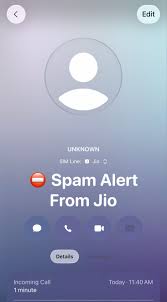
A screenshot of Jio’s Spam Alert in action, showing how it flags incoming calls.
Why did Jio launch this? Spam is huge in India. Scammers call pretending to be from banks or offering fake jobs. Jio wants to stop that at the source. It's also following TRAI rules, which say telecoms must fight spam. Other companies like Airtel and BSNL have similar tools.
But users say it's not ready yet. Many report it flags wrong calls, like from friends or services. Jio says it's testing, so bugs are expected.How Does It Work?
Jio’s Spam alert uses AI to check calls in real time. It looks at patterns: Does the number call lots of people fast? Is it reported as spam before? It combines data from user reports, analytics, and known scam lists.
When a call comes, Jio's system scans it quickly. If suspicious, it adds the alert. This happens on the network side, so it's fast and automatic. For messages, it might flag spam texts too. It's like Airtel's version, which uses AI to spot spam based on behaviour. But Jio's is newer, so it's learning. That's why false positives happen – the AI mistakes normal patterns for spam. Users can report spam via the My Jio app, helping improve it. Over time, it should get better. For now, it's a work in progress.The Hidden Problems with Jio’s Spam
While Jio’s Spam aims to help, it has flaws that users are grumbling about. The biggest? It's not always accurate, and that causes chaos.
False Positives: The Biggest Issue
False positives mean the alert flags good calls as bad. This is the top complaint. For instance, calls from delivery partners like Swiggy or Zomato get marked. One user said their pizza guy from Domino's was spam-alerted!
Why? Delivery agents call from shared numbers that ring many people. AI thinks that's spam behaviour. But it's not – it's just business. This leads to missed deliveries or delayed services. Businesses lose too; if customers ignore calls, deals fall through. Similar issues happen with bank calls or recruiters.
On X, a user shared: "Whenever I call someone, my number is showing as Jio Spam Alert... people are not answering." This hurts work, especially for freelancers or small businesses.
Jio admits it's testing, so false positives are common as the system learns. But users want fixes now.Inconsistent Detection
Some days, the alert works great, blocking real spam. Other days, it lets spam through or flags everything. Users say: "For some, it barely shows up; for others, it shows up too much."
This inconsistency frustrates. One Reddit user noted half of brand calls flagged wrongly. Why? The AI is still training on data.Lack of User Control
There's no easy way to turn it off or correct mistakes. You can't whitelist numbers quickly. Reporting helps long-term, but not instantly.
Jio should add feedback options, like "This isn't spam" buttons. Transparency on how decisions are made would build trust.Real-Life Impacts and Examples
The problems aren't just theory – they affect daily life. Let's look at stories.
One user missed a job interview call because it showed as spam. "Imagine waiting for a recruiter’s call-back and seeing 'Spam Alert'." They ignored it, losing the chance.
Delivery woes are common. A Swiggy call flagged as spam meant delayed food. On X, users share screenshots of Rapido or Uber calls marked wrongly. Businesses complain too. A start-up on Reddit said call pick-up rates dropped due to false alerts. They can't whitelist easily.Even personal calls suffer. One person said family from unknown numbers got flagged.
These examples show how Jio’s Spam disrupts life. In spam-prone India, it's a double-edged sword.
Statistics on Spam Calls in India
India leads in spam calls. True caller says 17 per user monthly. Telcos block 20 billion calls yearly.
Daily, 100 million calls and 3 million messages blocked. 60% get 3+ calls daily. Government blocks 13 million fake calls daily. But scams cost billions in losses.Jio’s tool could help, but false positives add to the chaos.
Tips to Handle Jio’s Spam Alert Issues
Don't let it ruin your day. Here are practical tips:
- Use True caller Alongside: It often corrects Jio's mistakes. Install it for better ID.
For businesses: Use verified lines or inform customers.
Alternatives to Jio’s Spam Alert
If Jio’s fails, try these:
- True caller: Crowdsourced, accurate.
- Airtel’s Built-in: Similar but more mature.
- DND Service: Block promo calls via TRAI.
- Phone Settings: Android/iOS have spam filters.
Switch providers if needed, but Jio's network is strong.
Conclusion
Jio’s Spam alert is a good idea with bad execution. False positives, inconsistency, and no control make it problematic. In spam-filled India, we need better tools, not ones that cause more issues.
Jio can fix this by listening to users and improving AI. Until then, use workarounds.
What do you think? Share your Jio’s Spam stories in comments. Subscribe for more telecom tips!
Citations:
Comments
Post a Comment